St Laurence's CE Primary School
Autumn Term
Maths Curriculum
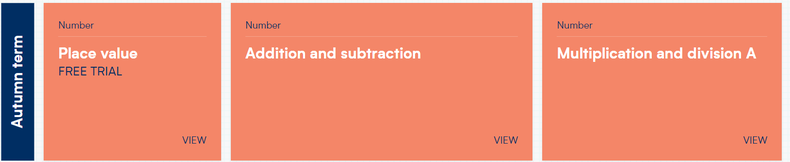
This term in mathematics, Year 3 pupils will focus on developing a secure understanding of key number concepts. Children will begin by strengthening their knowledge of place value, helping them to read, write, compare, and order numbers with confidence.
The children will then build on this foundation through work on addition and subtraction, using a range of strategies to calculate accurately and explain their reasoning. Children will also begin their learning in multiplication and division, developing understanding through grouping, sharing, and repeated addition.
Lessons follow the White Rose Maths approach and make use of practical resources and manipulatives. Children are encouraged to represent their learning concretely, pictorially, and abstractly, with free access to a range of resources to support their understanding and independence.
Head over to the maths curriculum page on our website to find out more information!
English Curriculum
This term in English, our learning will be linked to the history topic Victorian Reigns, using a range of engaging texts to develop reading, writing, and language skills.
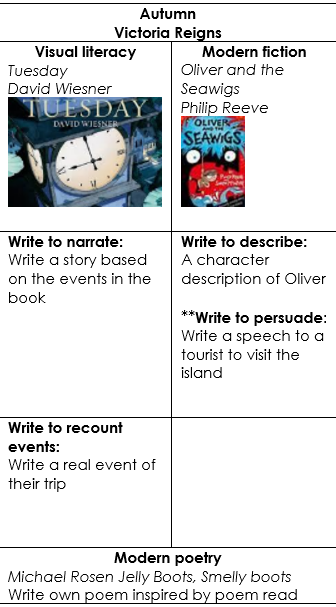
Children will explore visual literacy through Tuesday by David Wiesner, using images to infer meaning and inspire imaginative writing. Pupils will also study the modern fiction text Oliver and the Seawigs by Philip Reeve.
Writing outcomes will include:
-
Narrative writing – writing a story based on the events in Tuesday
-
Descriptive writing – creating a character description of Oliver
-
Persuasive writing – writing a speech persuading a tourist to visit the island
-
Recount writing – writing about a real event, such as a class trip
Children will also explore modern poetry, reading poems by Michael Rosen, including Jelly Boots, Smelly Boots, before writing their own poems inspired by those they have read.
Throughout the term, pupils will develop their vocabulary, sentence structure, and editing skills, building confidence and enjoyment in writing across a range of genres.
Take a peek at the books and outcomes we are focusing on this term.
History – Victoria Reigns!
This term in history, Year 3 pupils will be learning about life during the Victorian era, exploring what everyday life was like for children and families at that time. Through this unit, children will develop their understanding of the past and how it differs from life today.
Pupils will learn about Queen Victoria and why her reign was significant. They will explore key aspects of Victorian life, including homes, schools, work, and leisure, and compare the lives of rich and poor children. Children will also learn about important changes during the Victorian period, such as developments in transport, factories, and cities.
Throughout the unit, pupils will:
-
Ask and answer historical questions
-
Use sources such as photographs, paintings, and written accounts
-
Develop a chronological understanding of the Victorian period
-
Compare life in Victorian times with life today
Children will be encouraged to use historical vocabulary and explain their ideas clearly, building skills in enquiry, reasoning, and interpretation.
Science
This term in science, Year 3 pupils will be learning across biology and chemistry, developing their understanding of the world through practical investigation and discussion.
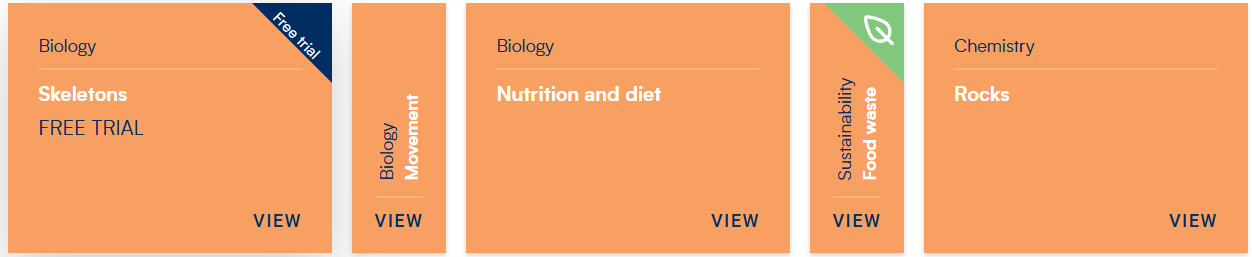
In biology, children will study skeletons, learning about the different types of skeletons in humans and animals and the important roles they play, such as support, protection, and movement. Pupils will also explore movement, linking muscles and bones to how the body moves. In addition, children will learn about nutrition and diet, identifying the main food groups and understanding the importance of a balanced diet for a healthy lifestyle.
In chemistry, pupils will explore rocks, learning to identify and compare different types of rocks and understand how fossils are formed.
Throughout the term, children will work scientifically by asking questions, making observations, carrying out simple investigations, and using scientific vocabulary to explain their learning.